
Foggy glass, stuck frames, and a draft you can feel from across the room — here's what they're telling you.
How Do You Know When It's Time to Replace Your Windows?
Last updated: October 2026
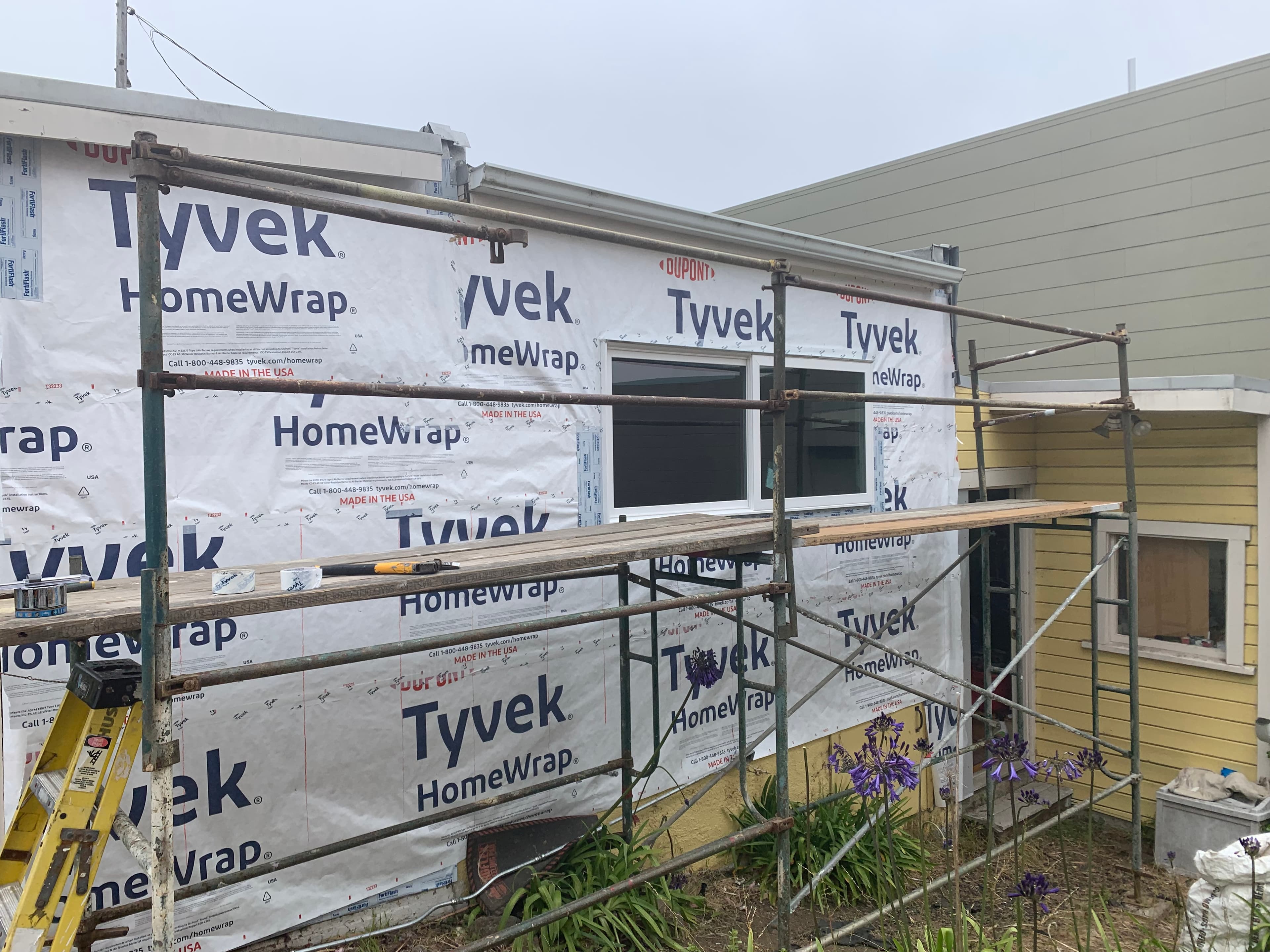
What are the clearest signs that windows need to be replaced?
The clearest signs are a draft you can feel near a closed window, fogging or condensation trapped between the panes of a double-pane window, frames that have visibly warped or rotted, and windows that are difficult to open, close, or lock. Fogging between the panes is the one sign that can't be fixed with weatherstripping or a repaint — it means the seal inside the window itself has failed, and the only real fix is replacing the glass unit or the whole window. The other signs can sometimes be improved short-term, but if you're seeing two or more together, the window is past the point where small fixes hold up.
Can foggy or cloudy double-pane windows be repaired instead of replaced?
In most cases, no — fogging between the panes means the gas-filled seal inside the window unit has failed and moist air has gotten in, and that seal can't be restored once it's broken. Some specialty services can replace just the glass unit inside an otherwise sound frame, which costs less than a full window replacement, but a frame that's also warped, rotted, or difficult to operate usually needs the whole window replaced anyway.
City Dweller's window and door work is led by Glen Hogerton, who spent 25+ years installing windows, sliding glass doors, and exterior doors across the Bay Area, including years with Able Windows and Doors before joining City Dweller.
Why window problems show up differently depending on the window's age and type
Not every window fails the same way. Older single-pane windows tend to show their age through drafts and difficulty operating, while newer double-pane windows usually fail at the seal first — which shows up as fogging — well before the frame itself gives out. Knowing which type you have helps explain which sign to expect first.
1. A draft you can feel with the window closed
Hold your hand near the edge of a closed window on a breezy day. If you feel air movement, the seal around the frame has likely broken down, or the window has shifted slightly in its opening over the years. This is also one of the more energy-draining problems on this list, since it's a direct path for outside air to get in.
2. Fogging or condensation trapped between the panes
This is specific to double-pane (insulated glass) windows. A small amount of gas sits sealed between the two panes to improve insulation. When that seal fails, outside moisture gets in and shows up as a permanent haze or water droplets between the layers of glass — not on the surface, where you could just wipe it off. There's no cleaning product that fixes this, because the moisture is sealed inside the glass unit.
3. Warped, rotted, or soft window frames
Wood-framed windows are especially prone to this near the coast, where fog and salt air keep moisture levels high. Press on the bottom corners of the frame — if it feels soft or you can see visible warping, moisture has gotten into the wood and the frame's structural integrity is compromised, not just its appearance.
4. Windows that are hard to open, close, or lock
A window that sticks, won't stay open, or doesn't latch securely isn't just inconvenient — a window that won't lock properly is also a security gap. This usually comes from a frame that's shifted out of square, worn hardware, or paint buildup, and it's worth figuring out which before assuming the whole window needs replacing.
What to check before deciding between repair and full replacement
A single sign, caught early, sometimes points to a targeted fix — new weatherstripping, re-caulking, or hardware adjustment. Fogging between panes and a warped frame are the two signs on this list that generally mean replacement, not repair.
- Check whether fogging is on the surface (cleanable) or trapped between panes (not cleanable — seal failure)
- Press-test the frame corners for softness, especially on wood frames facing the coast
- Confirm the window still locks securely — this is a security issue, not just comfort
- Ask whether specialty windows (bay, picture, arched) in the same house need matched replacement glass or custom sizing
See City Dweller’s windows services and sliding glass doors services in Pacifica and across the Bay Area, or check the full list of areas served.
Common Questions
FAQs
- Is it better to repair a window or replace it entirely?
- Repair makes sense when the problem is isolated to hardware, weatherstripping, or caulking and the frame itself is sound. Replacement makes more sense once you see seal failure (fogging between panes) or frame damage (warping, rot, soft spots), because those issues generally get worse, not better, with time and aren't fixable with a surface repair.
- Will new windows actually lower my energy bills?
- They can, if drafts or a failed seal were letting outside air in or reducing the insulating gap between panes. New, properly installed windows close that gap. They won't offset an unrelated issue like damaged siding or an aging HVAC system, which is why it's worth having the whole exterior looked at rather than assuming windows are the only factor.
- Can I replace just one window, or should I do them all at once?
- You can replace a single window — there's no requirement to do the whole house at once. Many homeowners prioritize the window showing the clearest failure (usually fogging or a rotted frame) and phase the rest in over time. The main reason to batch windows together is cost efficiency on labor and matching style across a room.
- How much does window replacement cost?
- It depends on window size, type (standard, bay, picture, or arched), material, and how many you're replacing at once. Rather than estimate from a general range, request a free quote — Glen or David will walk through your specific windows and give you real numbers.
Keep Reading
Related posts
Have a project in mind? David replies to every inquiry personally.